What to Do When a Tree Falls: Practical Steps for Homeowners
@myjaspertreeremovalfallendaily
November 11, 2026 · 7 min read
Acting Fast After a Tree Falls
A tree coming down on your property is unsettling. Whether it happens during a storm, after heavy rain, or simply because the tree was old and weak, the moment calls for clear thinking and quick action. Many homeowners in Jasper and Pickens County, Georgia, face this situation every year. Knowing what to do - and what not to do - can keep everyone safe and reduce the damage to your home and yard.
The first rule is simple: stay calm and keep your distance. A fallen tree can shift, roll, or settle in unpredictable ways. Branches may be under tension, and the trunk could be resting on something unstable. Do not walk under or climb on the tree. Do not try to cut it yourself unless you have the right tools and training. Chain saws are dangerous on the ground, and they are even more dangerous when you are working on a trunk that is bent or wedged against something.
Check for Hazards First
Before you think about removal, check for immediate dangers. Look up. Are there broken limbs still hanging in the tree that could fall? Look around. Is the tree touching a power line? If it is, stay back at least thirty feet and call the utility company immediately. Do not touch the tree or anything it is touching. Electricity can travel through wet wood and into the ground. Even if the line looks dead, treat it as live.
Check for gas lines, water lines, and sewer lines that might have been broken. A strong smell of gas means you should leave the area and call the gas company from outside. Water pooling around the base of the tree could mean a burst pipe. These are not problems you solve with a saw.
Look at the structure around the tree. Is the tree resting on your roof? On a fence? On a shed? The weight of the tree may have already caused damage, and removing it without proper support could make things worse. Sometimes a tree that fell against a house is actually holding the roof up, and cutting it without bracing the roof first can cause a collapse.
Assess the Tree and Your Property
Once you are sure there are no live wires or leaking gas, take a careful look at the tree itself. What kind of tree is it? A large oak or pine behaves differently from a smaller hardwood or softwood. The size matters, but so does the condition of the wood. A hollow tree may break apart as you work on it. A tree with rot or insect damage may be more brittle than it looks.
Look at where the tree fell. Is the root ball still attached? A tree that uprooted completely is often easier to remove than one that snapped halfway up the trunk, because the remaining stump and trunk section may still be under tension. A snapped trunk can have the top half wedged in another tree, which requires a different approach entirely.
Think about access. Can a truck and trailer get to the tree? Is there a gate wide enough? Are there underground utilities in the path? These questions matter because the removal method depends on how the tree can be reached and how the pieces can be moved out.
When to Call a Professional
For most homeowners, the smart move is to call a professional tree service. The phrase "Jasper Tree Removal fallen tree removal" covers exactly this kind of work. Professionals have the equipment to handle trees of any size safely. They also carry insurance, which matters if something goes wrong. If you try to remove a large tree yourself and it damages your house or injures someone, you are on the hook for the cost.
A good tree service will send someone to look at the tree and give you a plan. They will tell you whether the tree can be cut in place and removed piece by piece, or whether it needs to be lifted with a crane or pulled with a winch. They will also handle the stump. Some homeowners want the stump ground down; others are fine with it left for a while. Either way, the removal crew can explain what is involved.
What the Removal Process Looks Like
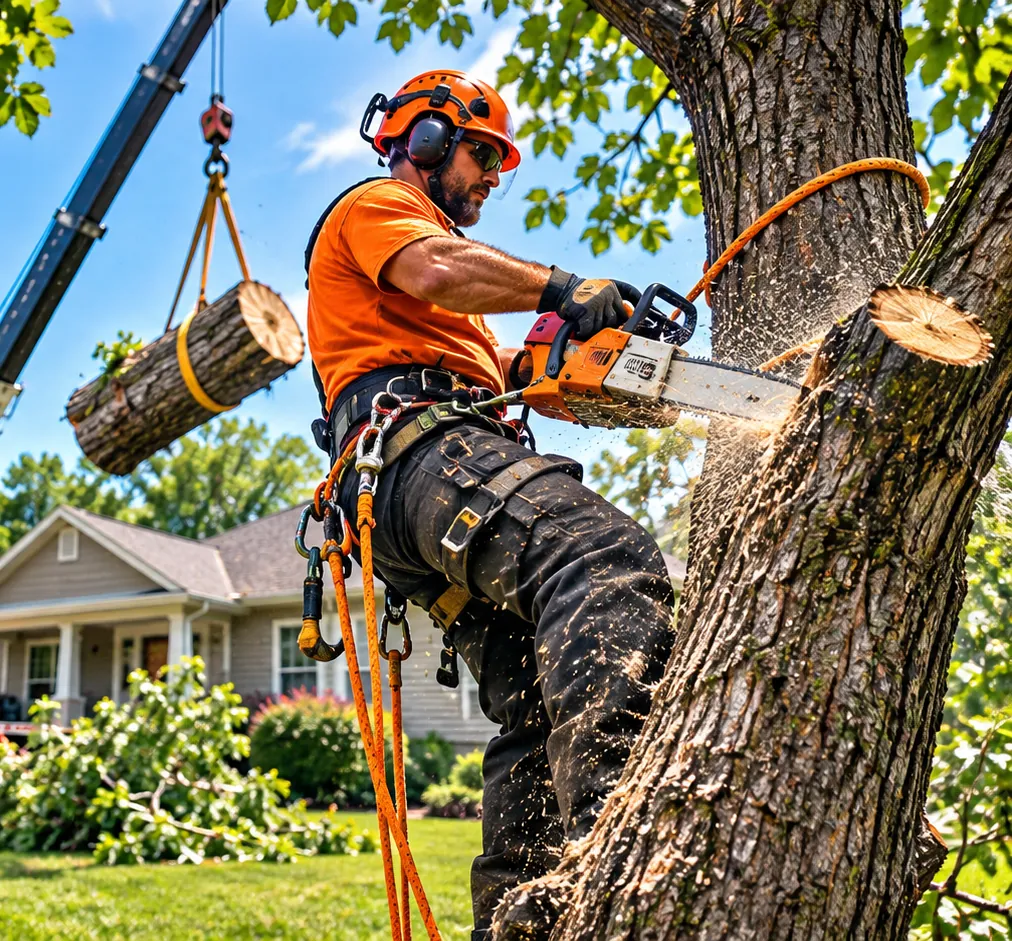
When a crew arrives, they start by clearing the area. They set up safety zones and make sure no one is nearby. Then they begin cutting the tree into manageable sections. For a tree that fell across a driveway or into a house, they may use rigging - ropes and pulleys - to lower heavy pieces to the ground instead of letting them drop. This takes time but prevents further damage.
Once the trunk and main branches are cut, the crew loads the pieces onto a truck. Some companies chip the smaller branches on site; others haul everything away. Stump grinding is usually a separate step. The grinder chews the stump down to below ground level, and the leftover wood chips can be used as mulch or removed.
What to Expect from a Professional Service
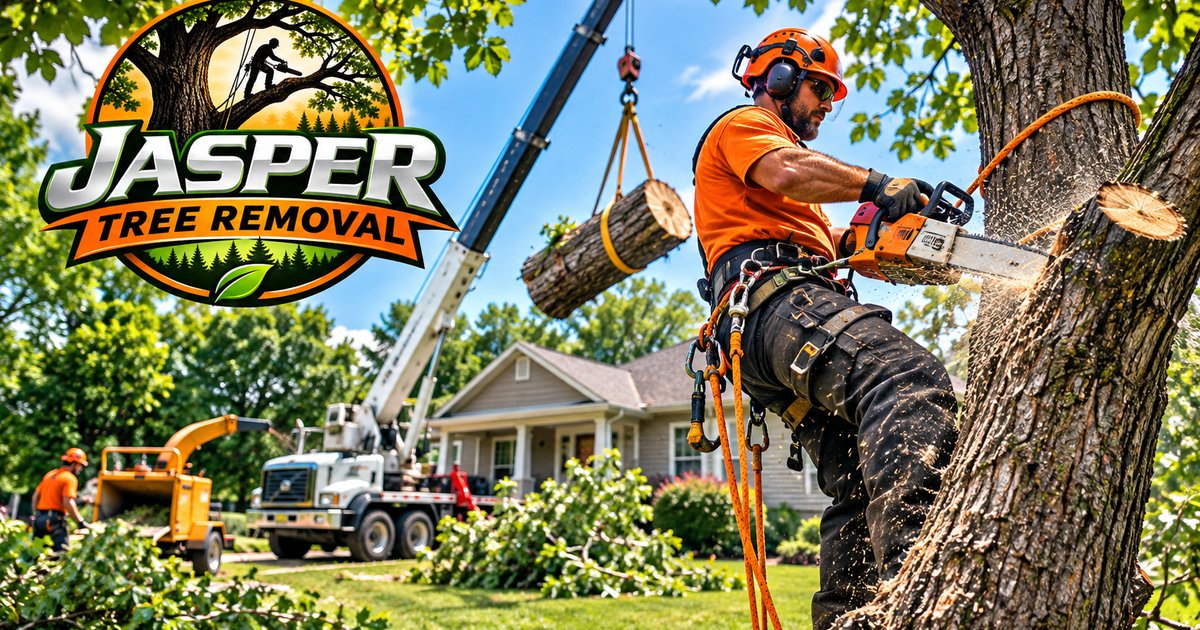
When you call a company like Jasper Tree Removal for fallen tree removal, they will ask about the tree size, location, and any hazards you have noticed. They will schedule a time to come out, often within hours for emergency situations. The crew will arrive with the right equipment for the job: chain saws, ropes, rigging gear, a truck, and sometimes a crane or bucket truck for hard-to-reach spots.
They will also handle the cleanup. After the tree is removed, the site should look tidy. Most services rake up the smaller debris and sweep the area. If the tree damaged your lawn or landscaping, they may not be able to fix that, but they will do their best to leave the property safe and clean.
Insurance and Paperwork
Check your homeowner's insurance policy. Many policies cover tree removal if the tree damaged a structure like your house, garage, or fence. They may also cover the cost of removing the tree if it fell on a driveway or blocked access. Policies vary, so call your agent and ask. Take photos before any work starts. Keep receipts and any paperwork from the tree service.
If the tree fell from a neighbor's property onto yours, the situation can get complicated. In general, if the tree was healthy and the storm was an act of nature, each property owner is responsible for the tree on their own side of the property line. But if the tree was dead or diseased and your neighbor knew about it, they may be liable. Talk to your neighbor first, then talk to your insurance company. Avoid arguments on the spot; focus on getting the tree removed safely.
Preventing Future Problems
After the fallen tree is gone, think about what caused it. Was the tree healthy? If it was, the storm may have been too strong for any tree to withstand. But if the tree was dead, had visible rot, or was leaning, you may have other trees on your property with similar issues. Walk your property and look for warning signs: dead branches, cracks in the trunk, mushrooms growing at the base, or soil heaving around the roots. A certified arborist can do a more thorough inspection.
Regular trimming and maintenance can reduce the risk of a tree falling. Removing dead limbs, reducing the weight of the canopy, and checking for disease all help. But no tree is completely safe in a severe storm. The best you can do is stay aware and act quickly when something goes wrong.
If you live in an area with frequent storms, consider having a plan ready. Know which tree service you will call. Keep their number saved in your phone. Have a list of emergency contacts: your utility company, your insurance agent, and a local arborist. When a tree comes down, you will already know what to do.
Fallen tree removal does not have to be overwhelming. Take it step by step. Check for danger. Call a professional. Let them handle the heavy work. Your job is to stay safe and make good decisions about your property. With the right help, a fallen tree becomes just another story to tell - not a lasting problem.
Jasper Tree Removal on social media
 Twitter
 Instagram
 YouTube